Field notes
from the regulated edge
of Web3 gaming.
Honest technical writing on compliance, infrastructure, and the games being built on top of them. No hype, no hand-waving. Cite the source or don't make the claim.

AI Regulatory Standards for Game Studios (2026)
AI regulatory standards now reach game studios: EU AI Act risk tiers, logging duties, and how they stack with MiCA when AI agents touch game economies.

Make Money Playing Games: The Web3 Reality Check
You can make money playing Web3 games, but less than the ads claim and with tax obligations nobody mentions. Here is how earning actually works in 2026.

Regulatory Compliance Management Software for Web3 Games
Regulatory compliance management software automates KYC, monitoring, and reporting. What it does, what it costs, and why game studios need it under MiCA.

Web3 Development Tools: The Game Studio Stack (2026)
A practical map of web3 development tools for game studios: chain infrastructure, smart contracts, wallets, and the compliance layer most stacks miss.

When Your Infrastructure Partner Loses Its Right to Operate
MiCA's grandfathering period ends July 1, 2026. If your payment or wallet partner isn't a licensed CASP, your game stack breaks with it.

Do AI Agents in Web3 Games Need a CASP License?
87% of game developers are using AI agents. When those agents custody wallets, execute token trades, or operate marketplaces in EU games, the CASP obligation follows. Here's what actually triggers it.

The Investor's MiCA Due Diligence Guide for Web3 Game Studios
Zero of 40 notable Web3 game companies appear in the ESMA CASP register, and only one of their 15 infrastructure providers. Here is the five-question due diligence checklist every investor should run before backing a Web3 gaming company.

The MiCA Deadline Every Web3 Game Studio Needs to Know: July 1, 2026
July 1, 2026 is the hard cutoff for MiCA grandfathering. After that date, operating without a CASP licence is a breach of EU law. Here's what that means for your studio.

AI Agents Can't Operate in the EU: Here's Why
176M on-chain transactions. $73M settled. Almost no licensed rails to run on. Three regulatory deadlines hit the EU agent economy in one six-month window.

Game Economies Were Built for Humans. AI Agents Don't Care.
AI agents now hold on-chain wallets, own in-game assets, and trade autonomously. The compliance stack built for human players can't handle it. Here's the gap.
Best Web3 Games 2026: Play-to-Earn & NFT Games
An honest guide to web3 games: which ones are worth playing, how play-to-earn actually works, and what MiCA means for players in 2026.

Blockchain Game Development: What to Build (2026)
A practical breakdown of what it takes to build a blockchain game in 2026: smart contracts, token design, compliance, and why the compliance layer is the hardest part.

Gaming Infrastructure: The Complete Stack for Web3 Game Studios (2026)
From servers to smart contracts to compliance: gaming infrastructure is the full technical and regulatory layer your studio builds on. Here's what it includes.

What Is Regtech? The Complete Guide (+ Gaming's Missing Compliance Layer)
Regtech (regulatory technology) automates compliance for financial and digital services. Here's what it means, how it works, and why gaming is the next frontier.
NFT Game Development: Why Economies Fail
Most NFT game economies collapse within 18 months. The cause isn't the tech. It's an economy design flaw that MMORPGs solved two decades ago.

What Does a Crypto Gaming License Actually Cost in 2026?
Casino license prices don't apply to Web3 game developers. Here's what a MiCA CASP license actually costs, and the three paths studios can take.
Are Web3 Games Actually Worth Playing in 2026?
Most web3 games in 2024–2025 weren't worth your time. Here's an honest breakdown of what went wrong, what survived, and how to tell a good web3 game from a cash grab.

How to Get a Web3 Game Developer License: Step-by-Step (2026)
No single 'web3 game license' exists. What you need depends on your game mechanics. Here's the exact step-by-step process for CASP authorisation under MiCA.
Launch a Web3 Game in the EU: Legal Checklist (2026)
The complete checklist for launching a Web3 game in the EU: covering wallet integration, token contracts, marketplaces, payment rails, and the MiCA compliance obligations that attach to each one.
The Complete MiCA Compliance Guide for Web3 Game Studios (2026)
MiCA is fully in force. Here's what every Web3 game studio needs to know about CASP licensing, scope, costs, timelines, and the three paths to EU compliance.
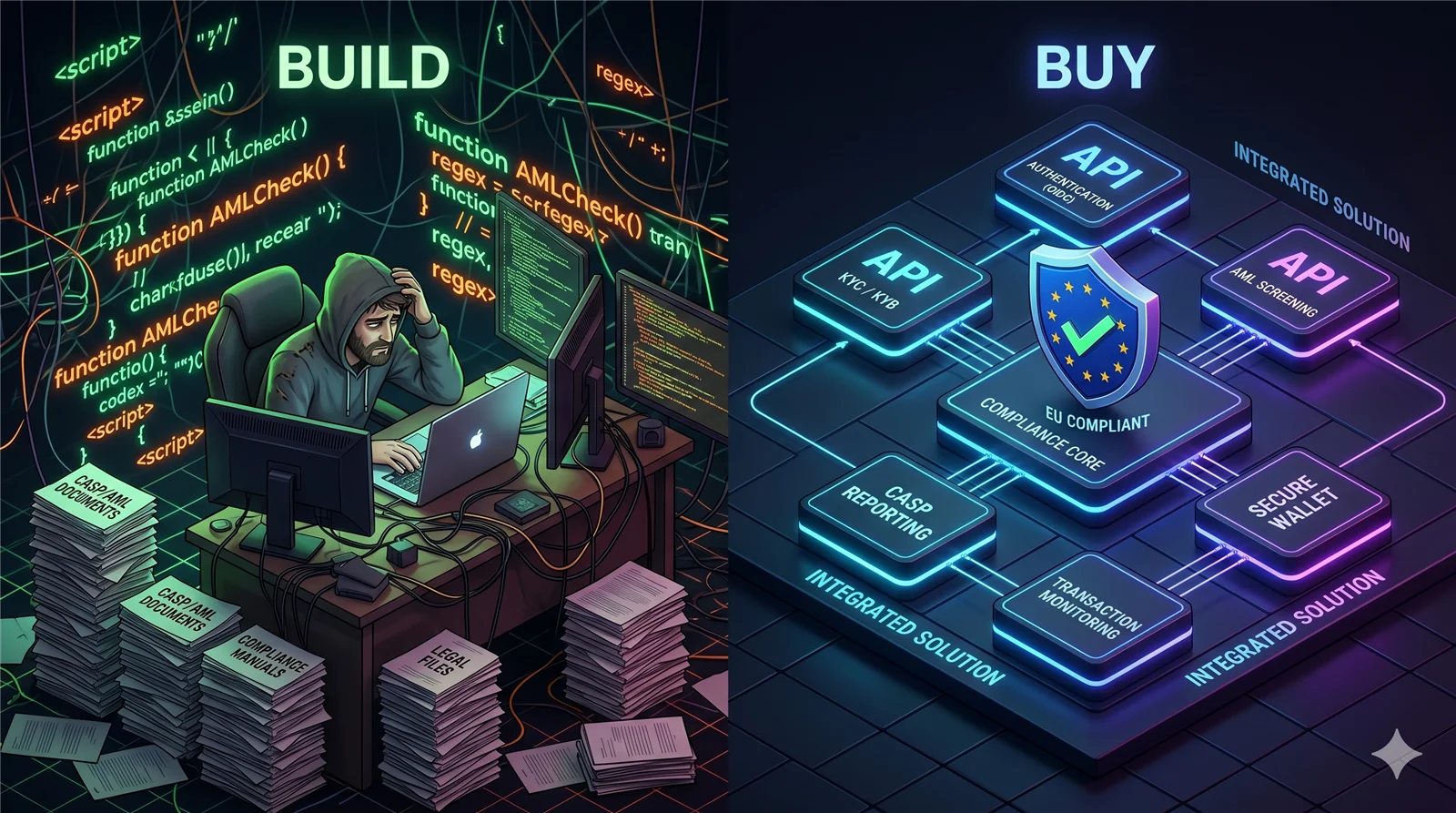
Web3 Game Backend: Build vs Buy (And the Compliance Factor Nobody Mentions)
Choosing a web3 game backend is not just a technical decision. It's a compliance decision. The platform you pick determines who owns the CASP registration, KYC/AML, and ongoing regulatory obligations.
Your Game Has Crypto. Now What? The Regulatory Reality Most Studios Miss
You shipped a token, an NFT, or a play-to-earn mechanic, and now you're wondering what you've actually stepped into. Here's the regulatory reality, in plain English.
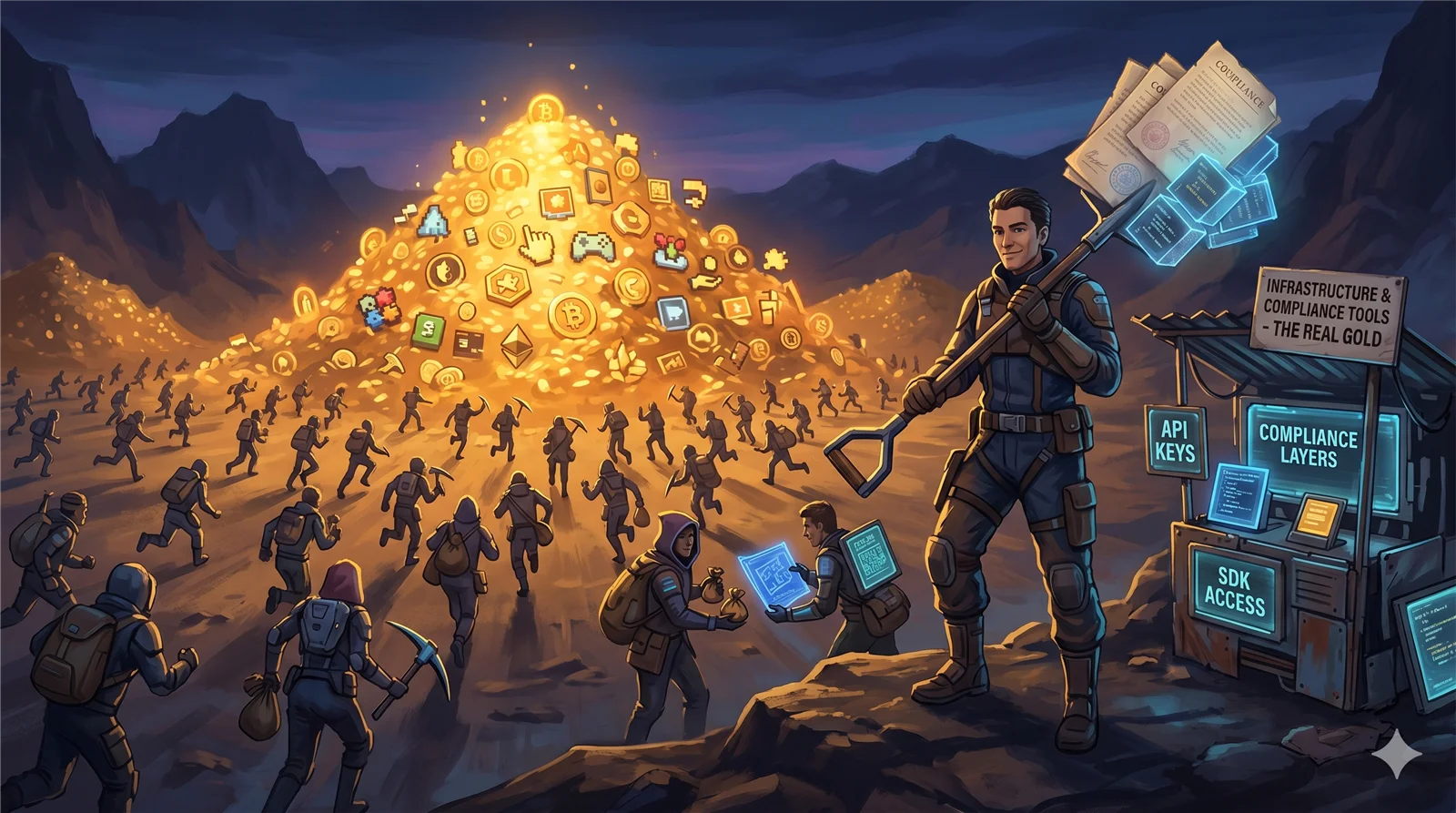
The Web3 Gaming Investment Thesis: Why Infrastructure Wins
The 93% failure rate in web3 gaming is real, and completely irrelevant to the infrastructure investment thesis. Here's why the picks-and-shovels play wins regardless of which games succeed.

Web3 Gaming Market Size and Opportunity in 2026: The Data Behind the Hype
The definitive data post on web3 gaming market size in 2026: active wallets, investment flows, regional growth, failure rates, and the 2028 forecast. Updated quarterly.
We're Building Genesis Engine Because Web3 Gaming Deserves Better
Why Triolith is building Genesis Engine: a compliance infrastructure layer that lets Web3 game studios serve EU players without each becoming a financial institution.
The Death of Web3 Gaming in the EU
MiCA's July 1 2026 deadline has passed and most Web3 game studios were not ready. What CASP authorisation actually requires, why most studios missed the deadline, and what comes next.

CASP Licensing for Web3 Game Developers: A Practical Guide
What a CASP licence is, whether your game needs one, what it costs, how long it takes, and what the alternatives are for game developers building in the EU.
Crypto Gaming in 2026: The Complete Guide
Everything you need to know about crypto gaming in 2026. What it is, how the economics work, how to get started, and how to avoid the common traps.

Embedded Wallets for Web3 Games: What They Are and Why They Matter
Embedded wallets let players use Web3 games without managing a crypto wallet. Here is how they work, the trade-offs, and what developers need to know.
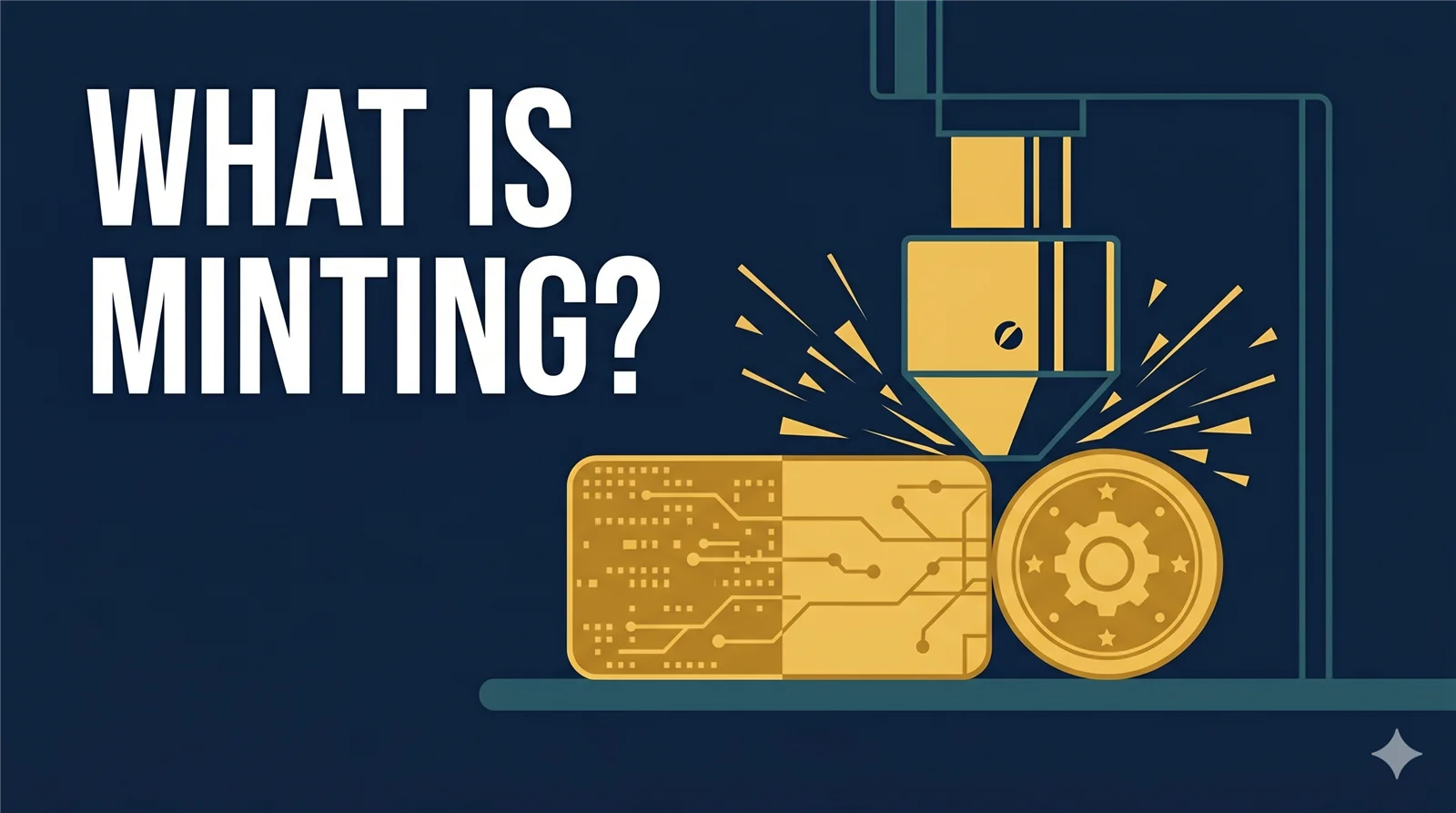
What Is Minting? Definition, Examples & How It Works
Minting is the process of creating a new digital asset on a blockchain. Here is what it means, how it works, and why it matters for Web3 games.
Onchain Games: How They Work and What Makes Them Different
Onchain games store game logic and state on a blockchain, not just assets. Here is what makes them distinct, examples of the model, and what it means for players and developers.
Play-to-Earn Games: How They Work & What to Know in 2026
Play-to-earn games reward players with tradeable tokens and assets. Here is how the model works, what has changed since the 2021 boom, and what to look for in 2026.
Tokenized Gaming: What It Means and Why It Matters
Tokenized gaming uses blockchain tokens to represent in-game assets and currencies. Here is what tokenization means for games and players.
Web3 Gaming: The Complete Guide (2026)
What Web3 gaming is, how it works, the key mechanics that make it different, the regulatory landscape, and where the industry stands in 2026.
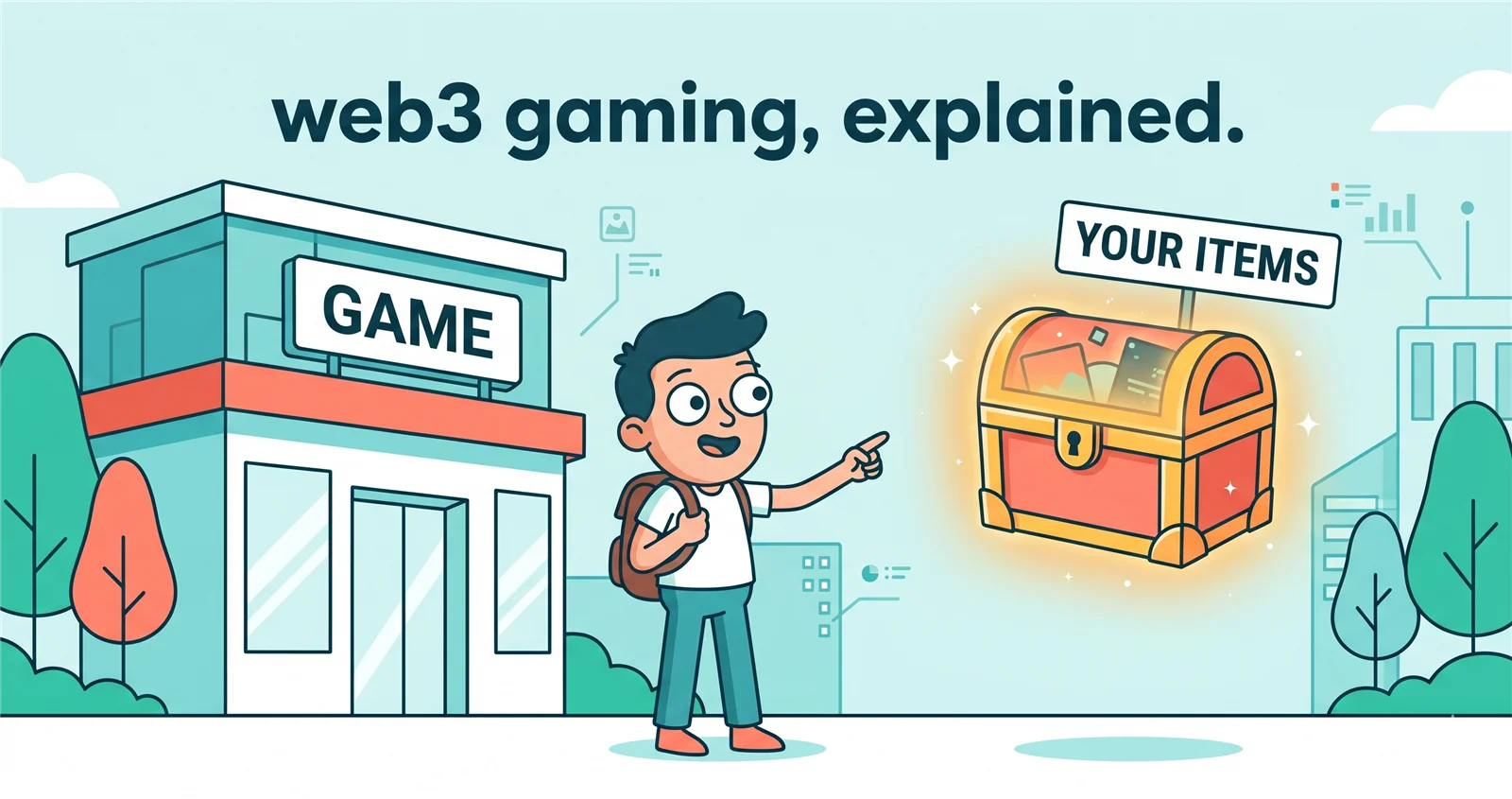
What Is Web3 Gaming? A Beginner's Guide
Web3 gaming lets players own their in-game items as blockchain assets. Here is a plain-language explanation of what it means and how it works.
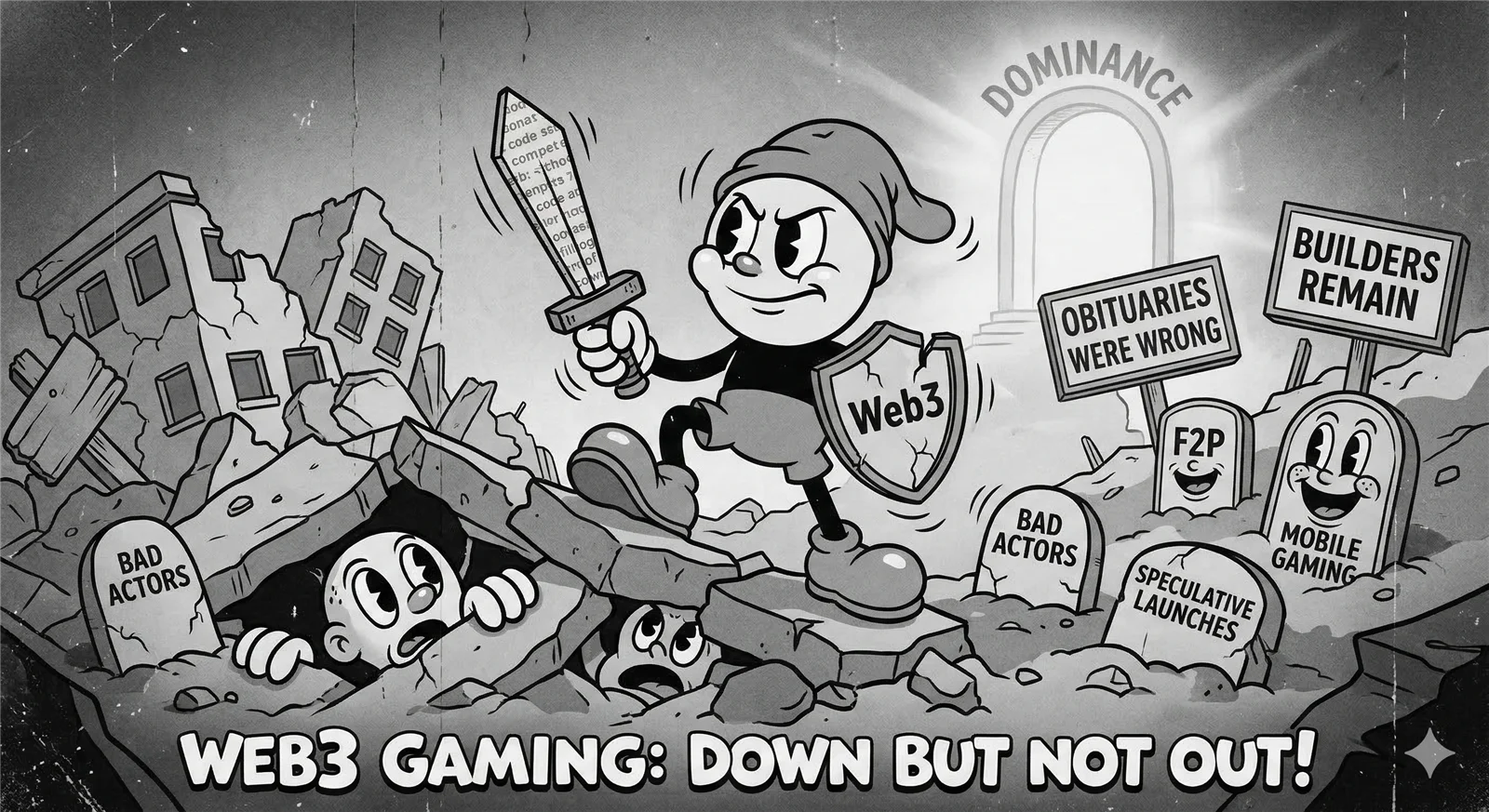
Why Web3 Gaming Will Succeed: The Data Critics Ignore
Will web3 gaming succeed? The rise, the challenges, and the adoption data critics ignore. 93% of projects failed, and the survivors are building anyway.
Web3 Gaming Infrastructure Is Becoming Unavoidable
Why trust collapsed in Web3 gaming, and why shared infrastructure like Genesis Engine is emerging as the industry's unavoidable next step.
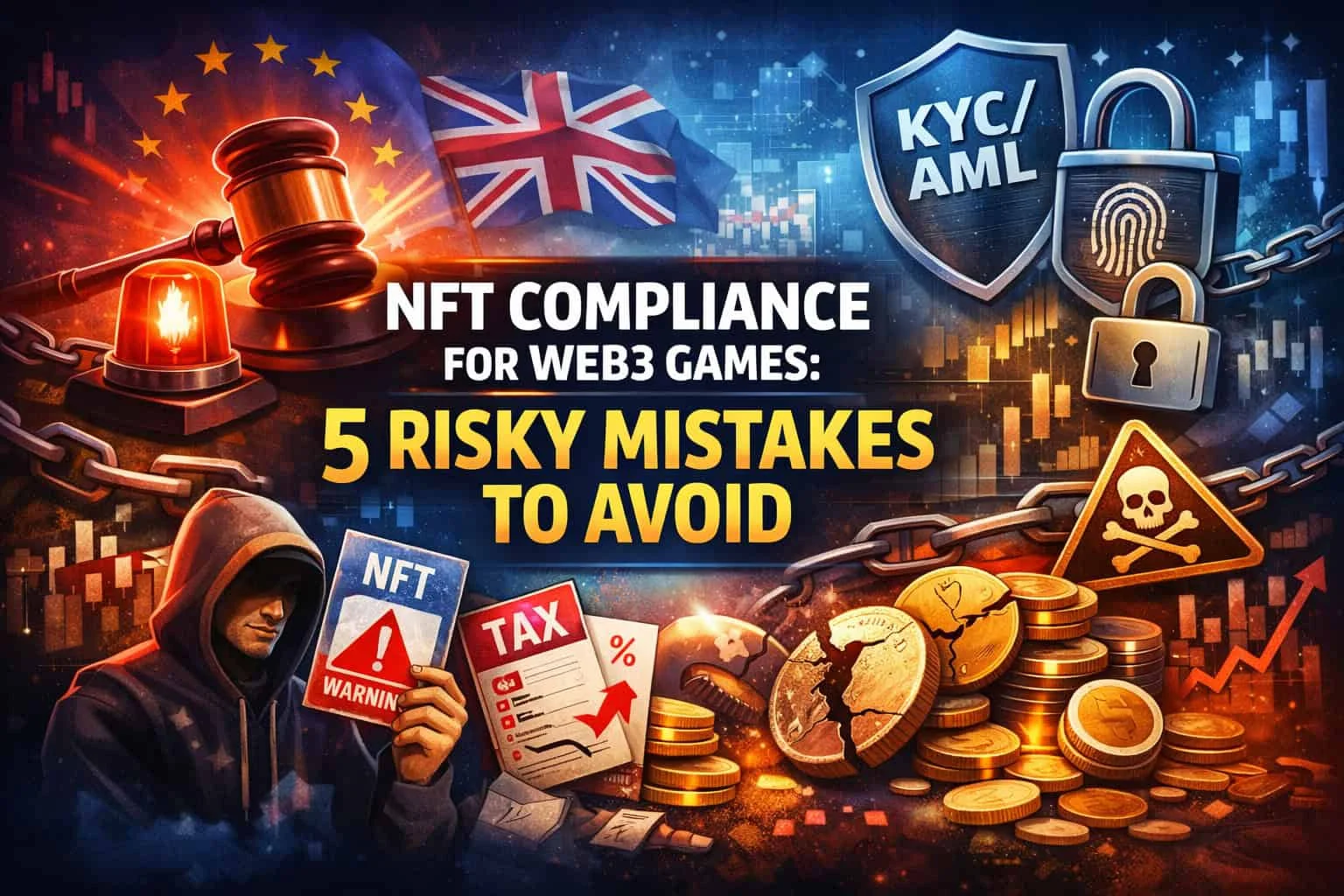
NFT Compliance For Web3 Games: 5 Risky Mistakes To Avoid
Learn the 5 biggest NFT compliance mistakes Web3 game studios make under MiCA and UK rules – and how to avoid legal, AML, and tax risks in your game economies.
Web3 Gaming Compliance why 64% of Developers Now Demand it
Explore why 64% of developers now demand Web3 Gaming Compliance after the BGA Report reveals crucial industry shifts.

Web3 Game Compliance: Why Most Studios Can't Launch in 2026
Web3 game compliance is becoming the industry's biggest barrier. Learn why MiCA is stopping studios from launching, and how new infrastructure solves the crisis.
Digital Consumer Rights in Gaming: Ownership Must Last Forever
Digital consumer rights in gaming are changing fast. Players don't truly own their assets. Not yet. Here's why games must commit to permanence under MiCA.

Investing in Web3 Games: Why Patience Beats Hype - Triolith
Investing in Web3 games takes patience and trust. Learn how to spot real studios, avoid token traps, and back teams that build for the long game.
Is Web3 Gaming Dead or Evolving Right Now?
Find out why the debate on is Web3 gaming dead is misleading. Learn about its evolution and future potential in this article.
MiCA Gaming in Practice: Lessons from GUNZ's EU Migration
MiCA is live for games. GUNZ's EU mainnet migration shows how to roll out a MiCA-compliant token: region flags, KYC, migration flows.
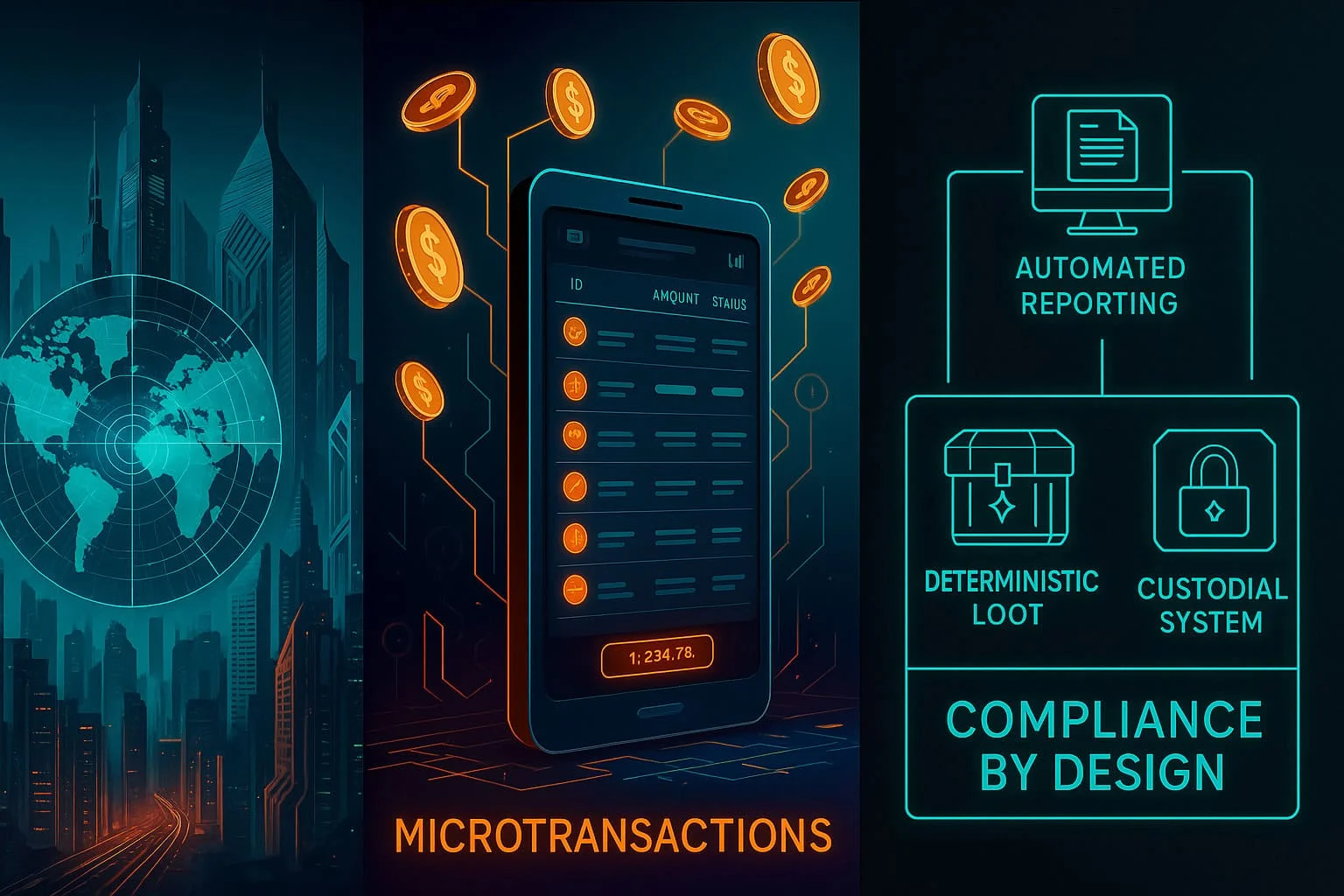
Web3 Gaming Taxes: Why Compliance Is Inevitable
Web3 gaming taxes are here. UAE's CARF is the start. Global reporting will follow. Learn how micro-transactions, design, and infra shape compliance.
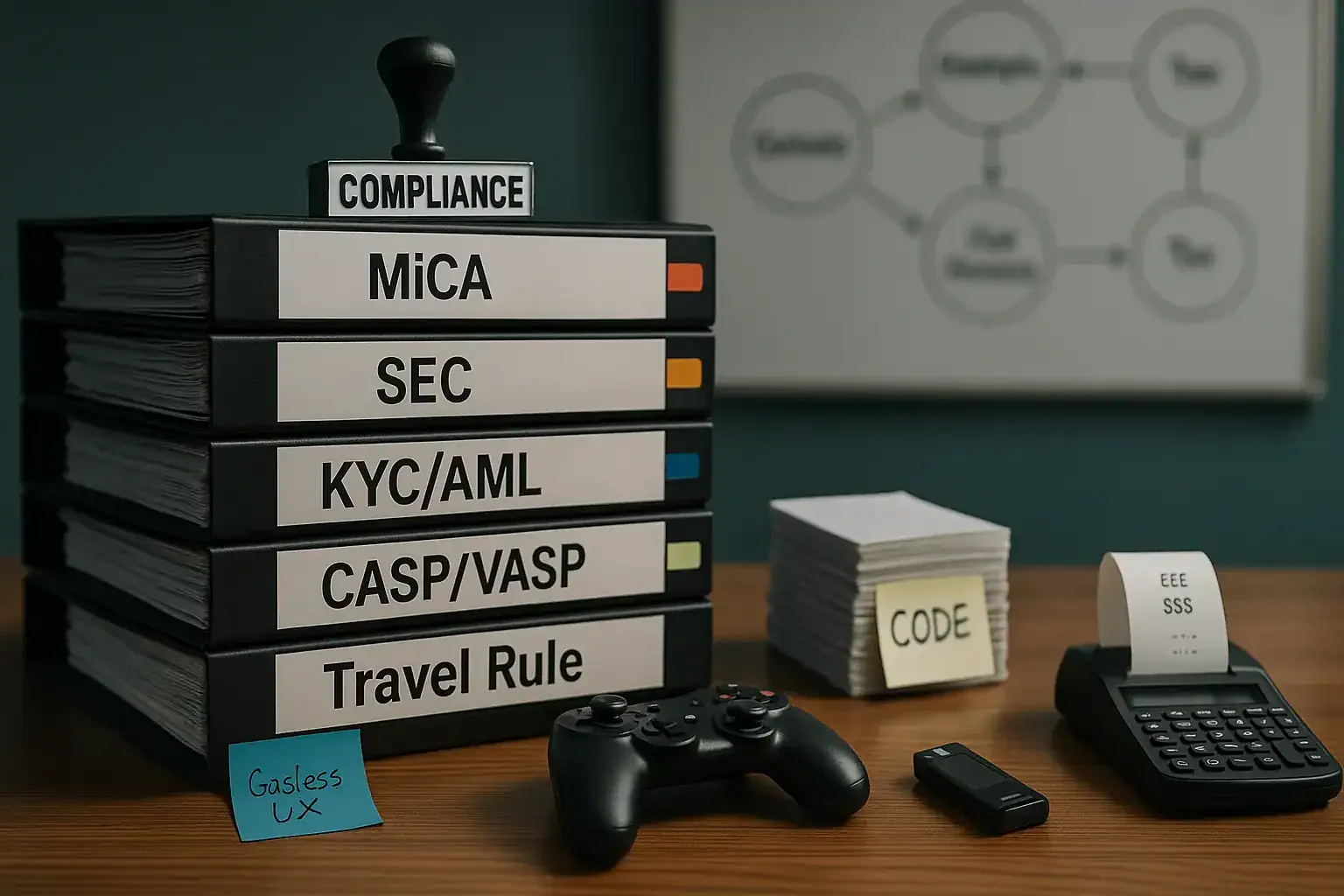
Web3 gaming compliance costs: MiCA, SEC & global licensing
Web3 gaming compliance costs are real. MiCA, SEC and global licensing can run $10–15M. Why compliance-first infrastructure matters.
Should You Invest in Gaming Tokens? A Cautious Yes
Invest in gaming tokens? Most crypto games fail, but a careful strategy can still work. How to evaluate Web3 game tokens: fun first, real sinks, proper tokenomics.
Web3 Gaming Needs a Rebuild: Not a Requiem
Another wave of shutdowns isn't a death knell. It's a reset. How Web3 gaming rebuilds with gameplay-first design, sustainable tokenomics, and compliance-led trust.

Why More Web3 Studios Use Studio Tokens
Studio-wide tokens consolidate liquidity, simplify governance, and reduce risk, while game-specific tokens fragment value.

Compliance is the Foundation of Web3 Gaming | Triolith
Compliance isn't an afterthought in Web3 gaming. It's the foundation. Learn why MiCA, KYC/AML, and regulatory safeguards will define the next wave of blockchain games.

Crypto Gaming Taxation: Challenges and ISK-Inspired Solutions
Tax compliance is one of Web3 gaming's toughest hurdles. Explore how ISK-style models and automated reporting could simplify crypto gaming taxation.
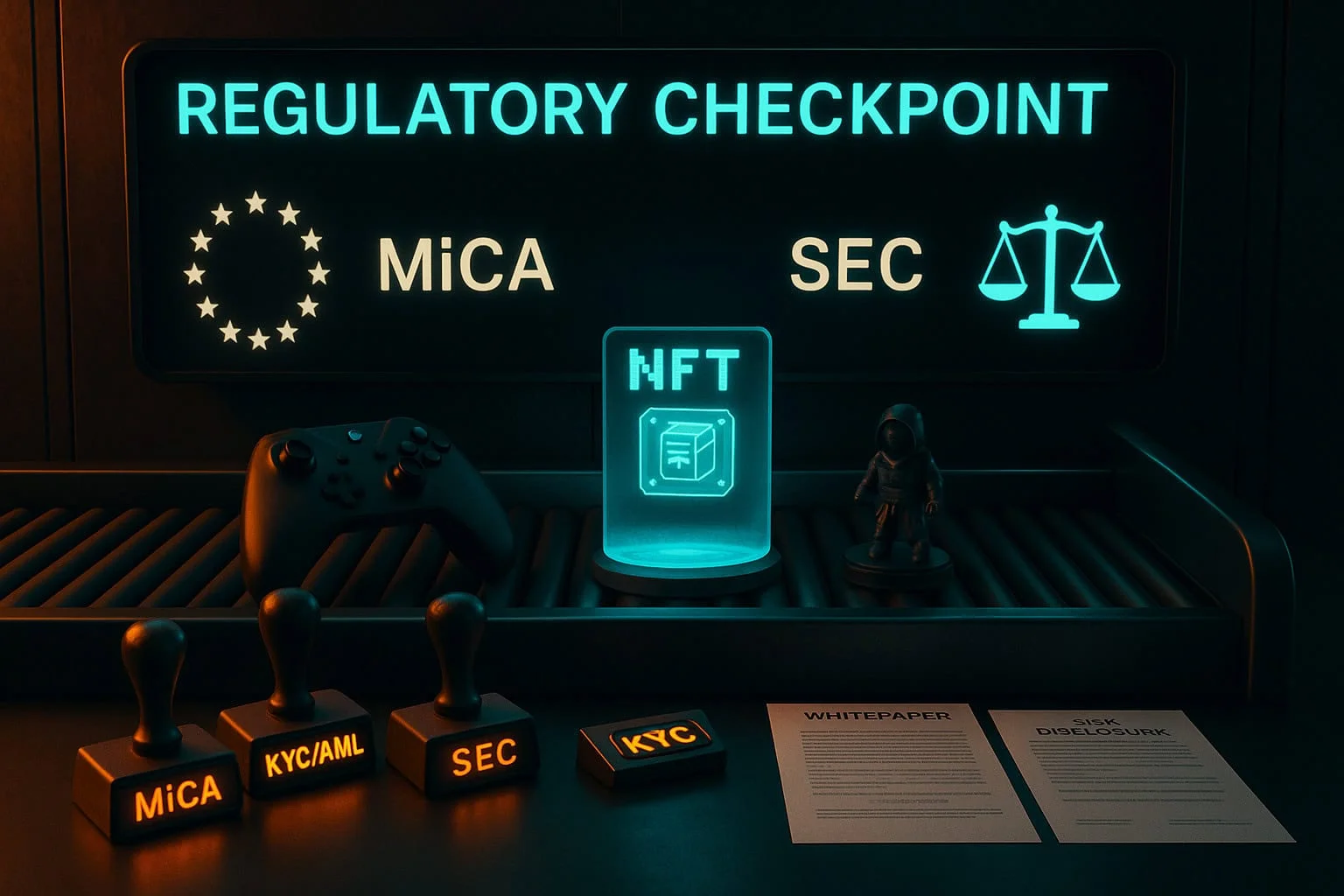
DIY Compliance for Web3 Games: MiCA, SEC & Beyond
Building a Web3 game? Here's a practical look at MiCA, SEC, CASP, custody and global licensing: plus when to partner vs. go DIY.