

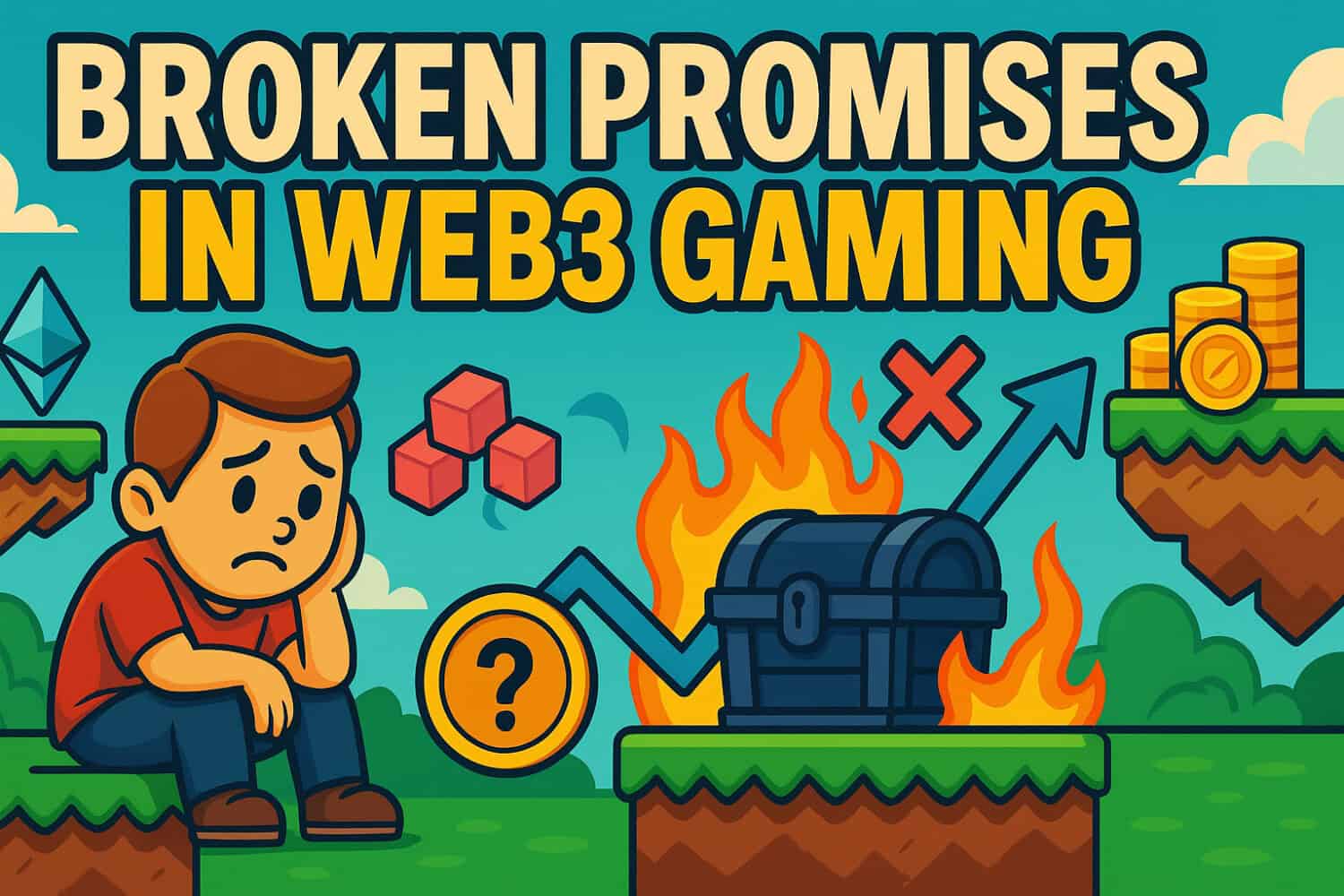
The pitch was irresistible: true digital ownership, decentralized economies, player-first design. Billions poured in, teams scaled, tokens spiked. Yet the scorecard in 2025 is sobering—multiple high-profile projects have shut down, communities were stranded, and value evaporated. The vision isn’t dead, but the model needs surgery.
A Pattern of Hype, Funding, and Failure
Blast Royale will shut down despite a multi-million raise. Battlebound (Evaverse, Anterris) closed after backing from top funds. TreasureDAO is winding down its chain. These aren’t edge cases—estimates suggest the majority of Web3 gaming projects have stalled or disappeared. The question isn’t whether Web3 can work; it’s why so many teams shipped speculation first and games second.
The Ownership Illusion
“Own your items” rang hollow when most logic lived on centralized servers. If a studio turns off the switch, NFTs become receipts to nowhere. True durability demands on-chain logic and metadata—or at least architectures that keep assets functional across shutdowns or migrations. Traditional gaming isn’t blameless either: EULAs remind us we license access, not ownership. Web3 was supposed to fix that. It still can, but only with real, enforceable ownership.

Misaligned Incentives and Fragile Economies
Play-to-earn models rewarded extraction over fun. Emissions outran demand; tokens collapsed when new-user inflows slowed. The root cause was a token-first GTM: projects chased FDVs, not retention. A reset means utility-first tokens, capped emissions, and asset value tied to gameplay—fun and function before finance.
Regulatory Gray Zones
Securities, AML/KYC, and even gambling laws can apply depending on mechanics and jurisdiction. Small studios rarely have the budget or expertise to navigate this. Infrastructure that assumes the regulatory burden—custody, compliant loot, reporting—will be the onramp to mainstream adoption.
Security Still Lags
Phishing, malware disguised as games, unaudited contracts—attackers go where wallets are. Until third-party audits, exploit mitigations, and incident playbooks are standard, one breach will continue to stain the whole category.
Friction Everywhere
Players want “press play,” not “bridge, swap, sign, hope.” Distribution is fragmented and onboarding inconsistent. The winners will feel like Steam for Web3: wallet abstraction, fiat rails, discovery, and game-first UX with the chain invisible until it adds value.
The Funding Gap and the Flashy Fallacy
Capital chased sizzle—trailers, résumés, token charts—while boring necessities (compliance rails, stable backends, economy tooling) went hungry. To mature, investors must prioritize substance: retention metrics, regulatory readiness, third-party audits, and sustainable economies over hype cycles.

What Must Change
-
Game loops that stand without tokens
-
Economies designed for balance, not Ponzinomics
-
Meaningful on-chain ownership and portability
-
Security as a requirement, audits as table stakes
-
Clear compliance paths and standardized tooling
-
Frictionless onboarding for both players and studios
Web3 gaming still holds real opportunities: players do want to own and trade, studios do want new monetization models, and investors still believe in interoperable economies. The next wave belongs to teams who build for durability and trust—shipping games that are fun first, with compliant, secure, and sustainable economies underneath.
Quiet note on infrastructure
This is the gap platforms like Triolith’s Genesis Engine aim to fill: compliance-first rails, audited contracts, and economy tooling that let studios focus on making games worth playing—without gambling the company on regulatory and security unknowns.
SEO Metadata
-
Focus keyphrase: web3 gaming broken promises
-
Slug: web3-gaming-broken-promises-rethink
-
Meta title: Web3 Gaming’s Broken Promises — Why the Industry Needs a Rethink
-
Meta description: Ownership illusions, token-first failures, regulation gaps, security risks, and what must change for Web3 games to work. A sober playbook for the next wave.
-
Category: Opinion
-
Tags: Web3 gaming, player ownership, tokenomics, compliance, game security
If you want a featured image in the same visual style as the last post (no laptops), I’d go with a cyberpunk-clean “Game Economy Recall” scene: a sealed loot chest on a conveyor labeled “RECALL,” a fading hologram NFT tag, and audit stamps (KYC/AML, SEC, MiCA) in teal/orange lighting—attention-grabbing but not clickbaity.